

Whoa! You log into a dApp and everything looks fine. Seriously? At first glance your wallet is just a tiny icon in the toolbar. But then something feels off — a permission popup, a gas estimate that spikes for no reason, a contract call with an odd name. My instinct said trust nothing. I’m biased, but that moment bugs me every single time.
Here’s the thing. Browser extension wallets are convenient. They let you sign transactions fast and interact with Ethereum without running a full node. They’re also a massive attack surface when not designed or used carefully. On one hand, extensions have access to page context and can inject scripts; on the other hand, users expect frictionless flows and often click through prompts. Initially I thought better UX would solve everything, but then realized the tradeoffs between usability and security are real and messy.
I’ll be honest — most guides focus on seed phrase backups and password strength. Those matter. They matter a lot. But they miss a dozen subtle threats that happen every day in the browser environment. Some extensions get phished. Some get replaced by lookalikes in stores. And sometimes the extension is fine but the dApp asks for too much access, or the contract you interact with has hidden logic. There’s no single silver bullet.
Where things usually go sideways
Phishing happens in many flavors. One is social engineering — fake Twitter links, impersonator domains, or clipboard replace malware. Another is malicious extensions: a seemingly helpful utility that quietly harvests private keys or intercepts signatures. Then there are contract-level traps — complex smart contracts that obfuscate what you’re approving. Somethin’ like that sneaks by because the UX shows a generic “Approve” button and users are in a hurry.
On a technical level, browser extensions can leak data through messaging channels. They can be updated by maintainers with bad intentions. They can be hijacked if the publishing account is compromised — and yes, that happens. So you need defense in depth. Short checklist first: keep the extension up-to-date, verify publisher identity, limit approvals, and use hardware wallets when possible. But read on — because the nuance matters.
One failed solution is assuming “read-only” access is safe. That’s wrong. Even view permissions can expose transaction history, token balances, and behavioral patterns that aid targeted attacks. Another failed approach: trusting any wallet solely because it’s open-source. Open code helps, but audits are snapshots, and not all reviewers dig deep into subtle signature flows or cross-extension interactions.
Okay, so what works better? The best defenses combine product design, platform hygiene, and user behavior. Product design means the wallet surfaces high-risk patterns clearly: unusual gas, approvals that grant infinite token allowances, and contract metadata that’s missing. Platform hygiene includes sandboxing extension privileges and stricter store vetting. User behavior? That requires education, but it should be gentle — not a lecture that makes people give up.
Practical habits that actually reduce risk
Use a dedicated browser profile for crypto. Sounds nerdy. It is. It also reduces cross-site contamination. Disable unnecessary extensions in that profile. Seriously. Only keep what you need. And turn off auto-fill for that profile — the browser’s password manager can be a surprising leak vector.
Prefer wallets that implement transaction previews and human-readable approvals. Extra screens are annoying sometimes. But when they show the exact function being called and what tokens are approved, users can make informed choices. My instinct said that people will ignore details, though actually, when designers make the important parts obvious, users catch the bad stuff more often.
Use hardware wallets for large holdings. They add friction. But they stop a lot of browser-based attacks cold because signing happens on-device. On the other hand, small day-to-day amounts in hot wallets are practical. So split funds: hot wallet for gas and trading, cold or hardware for main holdings. It’s not foolproof. It reduces blast radius.
Why wallet choice matters — and what to look for
Not all wallets are created equal. Governance, transparency, and design philosophy make a difference. For example, wallets that offer granular permission controls and built-in transaction sanitizers are preferable. They try to prevent infinite-approval mistakes and warn about contract risks. They might also support multi-account isolation so a attack on one account doesn’t expose all your assets.
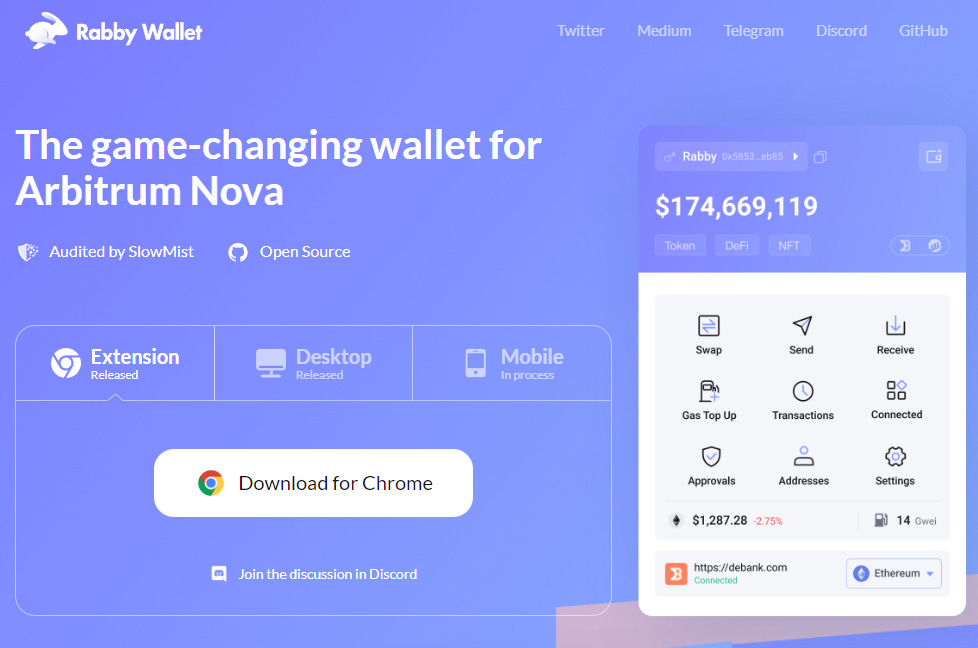
One wallet I keep recommending in conversations is rabby. It shows transaction intent clearly, helps manage approvals, and encourages safer UX patterns without being annoying. I’m not paid to say that. I’m biased, but I like that it pushes sensible defaults and good security ergonomics.
Also watch the distribution channel. Official websites, verified store listings, and community-endorsed sources reduce the chance of imposters. Oh, and read the change log when an update lands — not every user does that, but sometimes updates introduce new APIs or permissions that matter.
Developer-side moves that make a real difference
If you’re building a dApp, minimize required approvals. Avoid requesting infinite token allowances by default. Offer allow-lists for trusted contracts. Use EIP-712 signing where possible, because human-readable messages help users understand what they’re approving. And provide contract metadata that wallets can display — that handshake reduces ambiguity.
On the extension side, sandbox sensitive code and separate UI surfaces from core signing logic. Limit third-party analytics to reduce data leakage. Consider opt-in telemetry only. And rotate keys used for publishing account access — fewer single points of failure. Yes, it adds operational overhead, but it avoids dramatic compromises later.
Common questions
How can I tell if an approval is dangerous?
Look for scope and duration. A request that allows a contract to move “unlimited” tokens forever is risky. Also check whether the function name matches expected behavior. If the wallet shows a raw hex call without explanation, pause. Use a block explorer or contract viewer to inspect the contract’s source if you can.
Is a hardware wallet necessary?
Not for every transaction. For significant sums, absolutely. Hardware reduces the risk of local browser compromises. For day-to-day trading, a well-secured extension can work, but split funds and keep most value offline where practical.
What if I suspect my extension is compromised?
Disconnect it from sites immediately and revoke approvals for your tokens. Move funds to a new wallet address if you can — ideally using a hardware signer. Report the extension to the browser store and ask for help in community channels. And change any passwords that might be related.

